Lee Dae Won

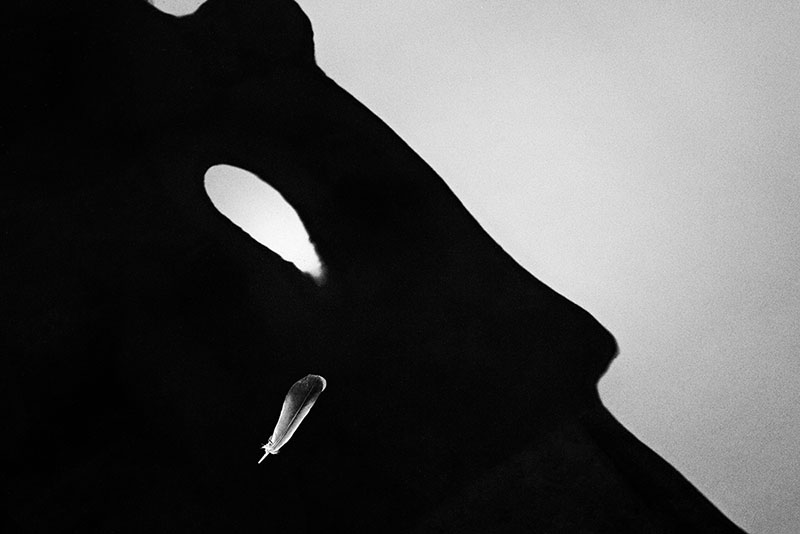
08042018__MG_2723
Hangang(River)in S.Korea

Profile

한 강

작가 노트

한국을 대표하는 강이자 수도 서울의 중심을 관통하는 한강에 관심이 있다. 1979년에 서울에서 태어나 서른 살이 되던 해 한강 근처로 이사를 했고, 세상은 아날로그에서 디지털로 급격히 전환되는 3차 산업혁명의 끝에 있었다. 서울은 쉴 새 없이 변했고, 도시 생활의 피로와 스트레스로 집 앞 한강에서 보내는 시간이 점점 늘어났다. 그렇게 직접 마주한 한강은 매스컴에서 보던 이미지와는 전혀 다른 모습이었다. 그때부터 내가 느끼고 바라보는 한강을 기록하고 싶다는 욕망이 생겨났다.

우선, 시간이 날 때마다 카메라와 삼각대를 메고 출근하듯 한강에 나선다. 먼 곳은 자동차로, 가까운 곳은 걷거나 자전거를 이용해 탐험가처럼 한강을 살핀다. 어느 날은 물결을, 어느 날은 공원을 바라보며 마음에 드는 장면은 만족할 때까지 수백, 수천 장을 찍는다. 집으로 돌아오면 파일 정리가 시작된다. 촬영한 이미지는 컴퓨터에 폴더별로 저장하고, 그중 일부를 선택해 디지털 후보정 과정을 거쳐 완성한다. 이 과정은 어부가 바다에서 고기를 잡고, 요리사가 그 재료를 손질해 음식을 완성하는 과정과 닮았고, 이러한 작업을 2009년부터 지금까지 반복해 왔다.

이런 과정을 통해 나는 한강을 찍었다기보다, 한강을 통해 시간을 저장하는 법을 익혔다. 수만 컷에 달하는 사진의 제목은 자연스럽게 촬영된 날짜가 되었고, 이미지는 크기, 흑백과 컬러, 물결, 얼음, 식물, 좌표 등으로 분류되었다. 여기서 드러난 것은 반복과 축적을 통해 형성된 시간의 밀도였다. 이는 아날로그 환경에서는 물리적·경제적 제약으로 실현되기 어려운 기록의 방식이며, 이 과정에서 나는 감성적 표현자라기보다 이미지를 수집·분류·관리하는 데이터 운영자의 역할에 가까워졌다. 사진가로서의 개입은 구도 설정과 디지털 후보정 정도에 그쳤다.

어쩌면 나는 무의식중에 4차 산업혁명을 준비하고 있었는지도 모른다. 디지털 기기가 등장했을 때, 어떤 이들은 이미지의 홍수와 새로운 기술 앞에서 불안을 느꼈지만, 나는 그 변화 속에서 한강을 반복적으로 관찰하고 기록하는 일을 선택했다. 인공지능이 이미지를 생성하는 시대에, 인간이 직접 발로 뛰어 채집한 ‘원본’은 역설적으로 가장 신선한 미래의 재료가 된다. 내 사진의 제목이 오직 날짜로만 기록되는 이유도 여기에 있다. 날짜와 메타데이터는 작가의 자의적 해석이 아니라, 축적된 시간의 진실을 증명하는 디지털 지문이기 때문이다. 나는 마치 미래에서 파견된 로봇처럼, 오늘도 한강이라는 거대한 데이터를 탐색하며 강으로 출근한다.

이 작업을 통해 시간의 흐름과 반복의 가치를 되새기고, 디지털 시대에 인간의 직접적 경험이 갖는 의미를 다시 생각해 볼 수 있기를 바란다.

Hangang River

Artist Statement

I am interested in the Hangang River, a river that represents Korea and runs through the heart of Seoul, its capital city. I was born in Seoul in 1979, and when I turned thirty, I moved to a neighborhood near the Hangang River. At the time, the world was at the end of the Third Industrial Revolution, rapidly shifting from analog to digital. Seoul was constantly changing, and as the fatigue and stress of urban life accumulated, I found myself spending more and more time by the river near my home. The Hangang River I encountered firsthand was completely different from the image portrayed by the media. From that moment on, I felt a desire to record the Hangang River as I perceived and experienced it.

Whenever time allows, I head to the river with my camera and tripod, commuting as if going to work. I travel by car to distant locations, and walk or ride a bicycle to nearby ones, observing the river like an explorer. Some days I focus on the ripples of the water; on others, I look toward the parks along the river. When I find a scene that resonates with me, I photograph it hundreds or even thousands of times until I am satisfied. Upon returning home, the process of organizing files begins. The images are stored on my computer in folders, from which a selection is made and refined through digital post-processing. This process resembles that of a fisherman catching fish at sea and a chef preparing ingredients to complete a dish. I have repeated this cycle continuously from 2009 to the present.

Through this process, I came to realize that rather than photographing the Hangang River, I was learning how to store time through it. The titles of tens of thousands of photographs naturally became their shooting dates, and the images were categorized by size, black-and-white or color, ripples, ice, plants, coordinates, and other attributes. What emerges from this is a density of time formed through repetition and accumulation. This mode of recording would have been difficult to realize in an analog environment due to physical and economic limitations. In this process, I found myself closer to the role of a data operator—collecting, classifying, and managing images—than to that of an emotional expressionist. My intervention as a photographer was largely limited to compositional decisions and digital post-processing.

Perhaps, without realizing it, I was preparing myself for the Fourth Industrial Revolution. When digital devices emerged, some felt anxiety in the face of an overwhelming flood of images and new technologies. I, however, chose to repeatedly observe and record the Hangang River within this transformation. In an era when artificial intelligence generates images, “originals” gathered through direct physical experience paradoxically become the freshest materials for the future. This is also why my photographs are titled only by date. Dates and metadata are not subjective interpretations by the artist, but digital fingerprints that attest to the truth of accumulated time. Like a robot dispatched from the future, I continue to commute to the river each day, exploring the vast dataset that is the Hangang River.

Through this work, I hope to reflect on the flow of time and the value of repetition, and to reconsider the significance of direct human experience in the digital age.

漢江(ハンガン)

作家ノート

韓国を代表する川であり、首都ソウルの中心を貫く漢江(ハンガン)に関心がある。1979年にソウルで生まれ、30歳になる年に漢江の近くへ引っ越した。当時、世界はアナログからデジタルへと急激に転換する第3次産業革命の終わりの時期にあった。ソウルは絶えず変化し、都市生活の疲労とストレスから、家の前の漢江で過ごす時間が次第に増えていった。そうして直接対面した漢江は、マスコミで見ていたイメージとは全く異なる姿だった。その時から、私が感じ、眺める漢江を記録したいという欲望が生まれた。

まず、時間があるたびにカメラと三脚を担ぎ、出勤するように漢江へ向かう。遠い場所は車で、近い場所は徒歩や自転車を利用し、探検家のように漢江を観察する。ある日は波を、ある日は公園を眺め、気に入った場面は満足するまで数百、数千枚を撮る。家に戻るとファイルの整理が始まる。撮影した画像はコンピュータにフォルダ別に保存し、その中から一部を選んでデジタル・レタッチ(後補正)の過程を経て完成させる。このプロセスは、漁師が海で魚を獲り、料理人がその材料をさばいて料理を完成させる過程に似ており、このような作業を2009年から今まで繰り返してきた。

このような過程を通じて、私は漢江を撮ったというより、漢江を通じて時間を保存する方法を身につけた。数万カットに達する写真のタイトルは自然と撮影された日付になり、画像はサイズ、モノクロとカラー、波、氷、植物、座標などに分類された。ここで現れたのは、反復と蓄積によって形成された時間の密度であった。これはアナログ環境では物理的・経済的制約により実現が難しい記録の方式であり、この過程で私は感性的な表現者というより、画像を収集・分類・管理する「データ運営者」の役割に近くなった。写真家としての介入は、構図の設定とデジタル・レタッチ程度にとどまった。

もしかすると私は、無意識のうちに第4次産業革命を準備していたのかもしれない。デジタル機器が登場した時、ある人々は画像の洪水と新しい技術の前で不安を感じたが、私はその変化の中で漢江を反復的に観察し記録することを選んだ。人工知能(AI)が画像を生成する時代において、人間が直接足で稼いで採集した「オリジナル(原本)」は、逆説的に最も新鮮な未来の材料となる。私の写真のタイトルが日付のみで記録される理由もここにある。日付とメタデータは作家の恣意的な解釈ではなく、蓄積された時間の真実を証明するデジタル指紋であるためだ。私はあたかも未来から派遣されたロボットのように、今日も漢江という巨大なデータを探索し、川へと出勤する。

この作業を通じて、時間の流れと反復の価値を振り返り、デジタル時代における人間の直接的な経験が持つ意味を再考できることを願っている。

작가CV

이대원, 1979년 서울 출생

현재 서울 및 경기도에서 한강을 주제로 사진 작업

2009년부터 현재까지 한강을 기록하며 사진 및 영상 작품 활동

개인전

2025 이대원 한강 사진전 (오픈 스튜디오), 싸우나스튜디오, 서울 성수

단체전

2025 꿈결 같은 한강, 주주갤러리, 제주 제주시

2013 The Other Space, 킵스갤러리서울 포토그래피, 서울 압구정

보도 자료

중앙일보: 2025.07.26 [사진 한 잔] 한강

조선일보: 2025.02.28 [C컷]꿈속같은 한강은 어떻게 찍었나

문학동네: 2014 [한국문학전집] 표지사진 (전권 수록)

Contact

Website: www.leedaewon.com

Email: coupler7@gmail.com

Instagram: @river_of_korea

Artist CV

Lee Dae-won, Born in Seoul, 1979

Currently based in Seoul and Gyeonggi-do, focusing on the Hangang River

Active in photography and video, recording the Hangang River since 2009

Solo Exhibitions

2025 Lee Dae-won: Hangang River Photography (Open Studio), SSSAUNA Studio, Seongsu, Seoul

Group Exhibitions

2025 Dreamy Hangang, Juju Gallery, Jeju City, Jeju

2013 The Other Space, Kips Gallery Seoul Photography, Apgujeong, Seoul

#한강 #한강사진 #이대원 #이대원작가 #이대원사진작가

Picture

Television

Test
Prev Next Close